云图
原创 【浮生琐记】程秉铎 || 云峰山秋游记_我的网站

一 |
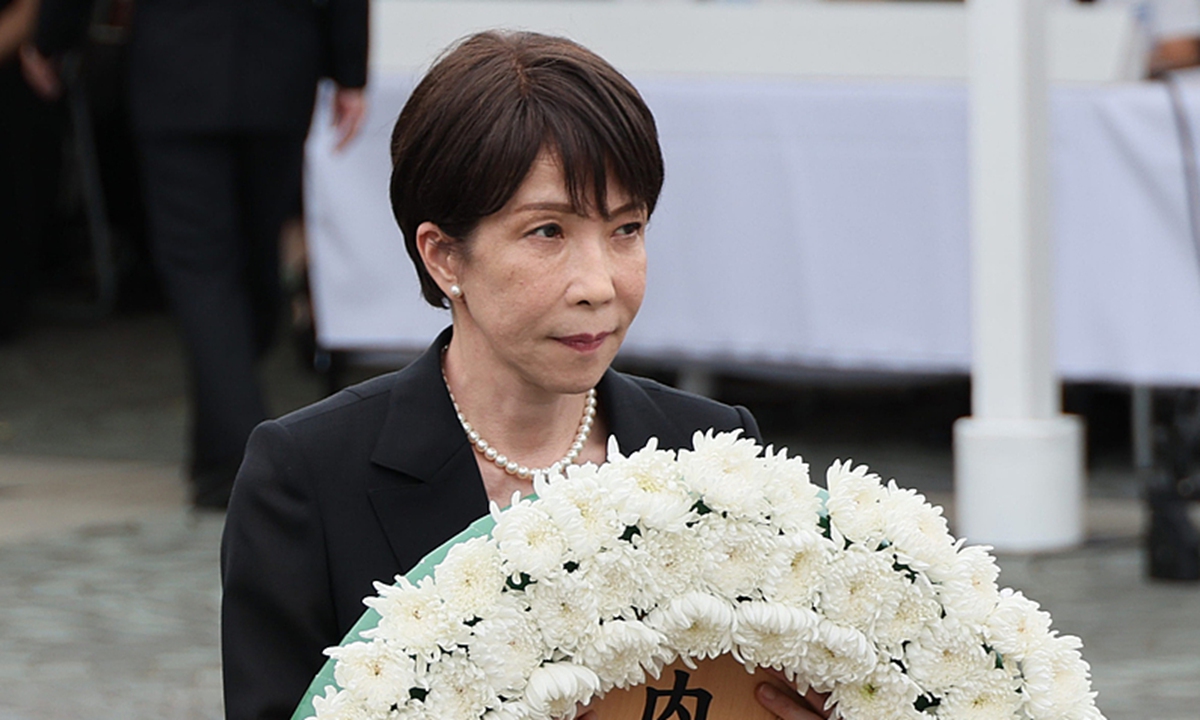
Japanese Prime Minister Sanae Takaichi attends a Nagasaki Peace Ceremony to commemorate the 81st anniversary of the atomic bombing at the Peace Park in Nagasaki City on August 9, 2026. Photo: VCGJapanese officials and members of the public urged the government to uphold the Three Non-Nuclear principles and pursue a security policy that does not rely on nuclear weapons, as Prime Minister Sanae Takaichi maintained an ambiguous stance on the long-held policy during a speech on Sunday marking the 81st anniversary of the US atomic bombing of Nagasaki.
Chinese experts noted that, similar to her ambiguous remarks at the memorial ceremony in Hiroshima, Takaichi stopped short of making a clear commitment to maintaining the Three Non-Nuclear Principles in the future, as her government's stance on nuclear issues has sparked concern and anger among the Japanese public. They also warned that, given Japan's lack of thorough reflection on its wartime aggression, Tokyo's moves to dilute the Three Non-Nuclear Principles should raise alarm across the international community.
"Our country firmly upholds the three non-nuclear principles, and under the pledge that 'Nagasaki shall be the last city to suffer a nuclear attack,' we are promoting realistic and practical initiatives toward the realization of a world without nuclear weapons," Takaichi claimed, according to the Japan Times.
But unlike previous prime ministers, many of whom had pledged that Japan would "continue to uphold" the principles, Takaichi merely described the government's current position without making an explicit commitment about the future, per the report.
As Hiroshima observed the 81st anniversary of the US atomic bombing of the city on Thursday, Takaichi also emphasized that Japan pledges to achieve a world free of nuclear weapons while upholding the Three Non-Nuclear Principles, despite Japanese media noting that she has left the door open for future revisions.
Takaichi's remarks in Hiroshima and Nagasaki that Japan upholds the three non-nuclear principles were largely seen as a reaffirmation of the country's existing policy position rather than a pledge to maintain the principles in the future, Liu Jiangyong, a professor at the Institute of International Studies at Tsinghua University, told the Global Times.
Liu said that currently, some Japanese officials' dangerous remarks on nuclear have sparked criticism among Japanese society. He pointed out that Takaichi only referred to Japan's current adherence to the principles, without explicitly committing to preserving them going forward. Her subsequent focus on broader goals such as achieving a "world without nuclear weapons" has further fueled questions over her actual policy intentions.
Japanese Defense Minister Shinjiro Koizumi claimed in an online program released in July that discussions on nuclear weapons were necessary to strengthen Japan's defense capabilities, according to Kyodo News. While acknowledging that the issue was difficult to discuss in Japan, he claimed it was something that "could not be avoided."
Opposition to the Takaichi administration's nuclear-related moves has emerged across Japan, including from local governments, media organizations and civil society groups.
According to statistics from the Japanese Diet, at least 128 local assemblies across the country had submitted written opinions to the central government or parliament between Takaichi's inauguration on October 21 last year and July 28 this year, calling for the country's Three Non-Nuclear Principles to be upheld, according to Xinhua News Agency.
In an interview with the AFP, 82-year-old Satoshi Tanaka, a campaigner who survived the 1945 attack on Hiroshima expressed frustration that current political leaders like Takaichi are focusing on military capacity at the expense of diplomacy.
"There is so much talk about national security. What about building peace through diplomacy?" he said.
Responding to a question concerning the Japanese authorities are rebuilding Japan's war machine, seeking to revise the Three Non-Nuclear Principles, and pursuing nuclear sharing with the US, even the possession of nuclear weapons, Chinese Foreign Ministry spokesperson Lin Jian said on Thursday that the devastation and tragedies brought by nuclear weapons should never repeat themselves. That said, the particular context of the nuclear explosions should all the more be remembered and the lessons of Japanese militarism's aggression and expansion must forever serve as an alarm.
The Tokyo's moves on nuclear policy have also raised concerns in the international community.
Russia considers the rhetoric of Japanese authorities regarding the need for Japan to revise its Three Non-Nuclear Principles provocative and unacceptable, Russian Ambassador to Japan Nikolai Nozdrev said in an interview with RIA Novosti, which was published on Saturday.
Responding to Koizumi's remarks on nuclear discussion, Nozdrev said "This is the first time in Japan's history, as the only country to have suffered atomic bombings in Hiroshima and Nagasaki, that a sitting defense minister has publicly called for lifting the 'taboo' on discussions related to nuclear weapons. We consider such rhetoric from official Tokyo provocative and absolutely unacceptable."
Japan has yet to fully reckon with its wartime aggression, thus any attempt by Tokyo to move toward acquiring nuclear weapons could pose serious risks to regional peace and global security, Lü Chao, an expert on the Korean Peninsula issue at the Liaoning Academy of Social Sciences, told the Global Times.
Such concerns have become more pronounced as Japan increasingly portrays China as a major security challenge while highlighting perceived threats from other countries, against such a backdrop, any further steps to dilute the three non-nuclear principles are likely to heighten concerns internationally, particularly among countries that suffered from Japanese aggression during World War II, said Lü.
。

二 | 【浮生琐记】
云峰山秋游记
作者:程秉铎
配图:网络图片
莱州城南七里半,矗立一山,体量不峻,海拔仅三百二十六米,却文脉千钧、底蕴深沉,自有万般分量。 山巅常被流云轻雾半掩,故名云峰山(文峰山)。三峰横卧平铺,形如案头笔架,乡里人更亲切唤作笔架山。这名字朴素直白,恰似古时读书人闲抛文房雅器,经年沐风饮露,静静沉淀,终化作一方温润青山。

三 | 山不在高,有碑则名。自北魏永平四年,郑道昭于此摩崖勒石,一千五百余年山风浩荡,岁岁摩挲岩壁,将笔墨风骨深深镌刻石中,让这座莱州小山,成为中国北碑书法史上无可绕开的精神坐标。

四 | 【云峰山石坊山门,松枝掩映,由此步入文脉青山】
我于初秋晴晓与几位朋友同行登山。

五 | 朝阳早已升起,城中烟火亦浓,尘世喧嚣声高。我们早餐后驱车出城南门,沿宽敞大道徐徐前行。道路两侧成片玉米连片铺展,秋意渐染枝叶,风过垄亩,簌簌轻响,宛如翻动一卷沉淀千年的旧书。行一刻钟许,云峰山影静卧田畴尽头,体态平缓谦和,沉静质朴,若不是峰顶古松苍劲疏朗,几乎误以为乡野寻常丘山。

六 | 步入石坊山门,松槐夹道,石阶清润微凉。山脚庭院中立郑道昭造像,峨冠博带,背山端坐,神态从容恬淡。无居高矜傲之态,有文人温润之风,如千年旧友静坐山间,不问访客来去,只默然相伴、共听山风。我伫立石像前良久,心底悠然遐想:一千五百年前的秋日清晨,郑道昭大抵亦是这般光景,卸衙署冗务,踏阶入山,揽清风、观山海、抒胸臆,以崖为纸、以笔传心,留下万古墨痕。 转过云峰大殿,拾级而上,山林骤然幽深。刺槐落尽繁花,唯余浓绿叠翠,枝叶筛落细碎晨光,满地光影摇曳。古松贴崖扎根,虬根深嵌岩缝,牢牢锁住一山千年文气。

七 | 指尖抚过粗糙树皮,沧桑纹路尽是岁月印记,微凉触感澄澈入心。

八 | 秋蝉疏鸣断续,褪去盛夏喧嚣,清浅声声,更衬得山林幽静无尘。海风自莱州湾款款漫来,裹挟淡淡的海韵咸润,混着松香与木叶清气,深吸一口,涤尽尘烦,五脏通透安宁。 【《荧阳郑文公之碑》拓本,一千二百余字,北碑书法的实物缩影】
缓步山间,六角碑亭凌空翼展,《郑文公下碑》赫然在目。亭额题字沉静端雅,柱间楹联意蕴悠远:“四顾苍茫,天外人吟天外海;一碑突兀,画中人醉画中山。”亭中巨碑巍峨轩昂,高阔丈余,一千二百余字魏楷次第铺展、森然端庄。我静立观瞻,心怀敬畏,不敢轻触古石,唯以目光细细品读笔墨风骨。

九 | 此碑隶意犹存、楷法初立,圆笔苍润、气韵雄浑,篆势、分韵、草情兼而有之。

十 | 历来书家推崇备至,康有为尊为北碑之冠,绝非虚誉。汉字隶转楷的千古蜕变,笔墨法度的世代更迭,尽凝于此一方崖壁,静静诉说华夏书法的源远流长。 沿途上行,摩崖石刻错落遍布,步步皆是文脉。半山《论经书诗》笔势开张、气象疏放,尽抒旷达襟怀;《观海童诗》历经千年风雨,字迹虽渐漫漶,却更添古拙悠远。

十一 | 崖壁“欲界清都”四字,道尽云峰神韵:非仙山缥缈,自有清气萦绕;非都会繁华,自藏千古文心。石壁苔斑水痕交错,风雨雕琢的每一缕纹路,都是岁月沉淀的印记,藏尽千年山间风月。 少时便登至云峰极顶。山顶小亭玲珑雅致,占地虽小,却可极目千里、尽揽山河。登顶伫立,迎风而立,忽见峰巅五星红旗烈烈舒展、迎风招展。我欣然驻足,与鲜红国旗合影留念。静静凝望那一抹赤诚中国红,在青山云海间高高飘扬,山河静好、国泰民安的暖意涌上心头,祖国在我心中的滚烫情愫油然而生。山河万里,文脉绵长,家国安宁,眼前一山一石、一风一景,皆是盛世烟火、华夏风华。 【云峰山摩崖崖壁,巨石嵌碑亭,石壁镌刻千年魏碑墨痕】
凭栏远眺,三峰连绵如笔架横亘天地,高低错落,宛若天然文房雅器。

十二 | 西北望,莱州湾薄雾轻笼,风能电站耸立如林,海面泛着柔光,三山岛青影一线,海天一色,苍茫辽阔。此刻方才深谙郑道昭当年心境:刺史登临,观山海苍茫,抒胸中风月,落笔不为一己抒怀,而是将山河气度、文人风骨、时代风华,尽数镌入山石,留传千秋。 我静坐亭中,无风物相伴,无俗事缠身,只与青山、古碑、清风默然相对。

十三 | 山风来去悠然,拂动衣襟,抚平心绪。山下炊烟袅袅、村舍安然,几声远犬轻吠,温柔绵长,尽是人间安稳。郑道昭诗中青烟古寺、白云堂舍早已湮于岁月,唯独石刻长存、文脉不息。繁华终会消散,风骨永远留存,一山文字,便是一山魂魄。 日影当空,徐徐下山。石阶树影绵长交错,石刻沐斜阳光晕,温润灵动,似千年古石自在呼吸。再度途经郑道昭造像,依旧安然端坐、从容淡然。跨越一千五百载光阴,他静守一山文脉,岁岁候风、年年待客,不语深情,静待每一位慕名而来的访山、读碑、寻韵之人。 【山脚庭院郑道昭造像安然端坐,静候八方访碑游人】
出山门回望,云峰轻雾再起,半隐青山,朦胧如古卷丹青。莱州人所言“登云峰,赏魏碑”,从来不止一句旅游说辞。

十四 | 山虽不高,承载千年文脉;碑虽无言,沉淀万古风华。人行山中,俯仰之间,沾染笔墨清气,胸藏山河风雅。 附:登云峰山盛景,观郑道昭书法
三峰横卧接苍穹,
北魏风烟入石中。 笔架云横千载墨,
天门外豁一襟雄。 圆融篆隶开新境,
跌宕龙蛇化古松。 欲界清都何处是,
海天回望日当空。 ( 2026.08.22.于烟台凤凰山庄)
感谢您在百忙中阅读这么多文字,特链接两组图片供您欣赏,请点击如下链接:
船歌主题人像摄影作品:芦荻秋深(出镜:小莲)
船歌主题人像摄影作品《桃花依旧》高清组图
(完)
敬请关注往期文章,可点击以下链接:
【浮生琐记】程秉铎 || 戚继光故居游览散记
【浮生琐记】程秉铎 || 被海风灌醉的三天
【浮生琐记】程秉铎 || 港城凤凰山下的秋意与归处返回,查看更多。
Current article:http://aswe9k1.linxiuhuaishuangniuzhenrua.bond/list_57ca/v0nd.html
Published on:09:17:09